
UK Trifecta Box Bet Guide: Tricast Calculator, Payouts and Strategy
 Available in US
What Is a Trifecta Box Bet?
A trifecta box bet covers every possible finishing order of your selected horses in the first three places. Select three horses, and you have six combinations. Select four, and you have twenty-four. Select five, and you are paying for sixty individual bets. The mathematics scale quickly, but the core concept remains: you win if your chosen horses fill the top three positions, regardless of which one crosses the line first, second, or third.
Tricast — The standard British term for a bet requiring you to predict the first three finishers in exact order. Available through bookmakers with fixed-price or Computer Tricast dividends.
Trifecta — The pool betting equivalent, operated by UK Tote. Dividends calculated from the total pool minus deductions, shared among winning tickets.
Combination Tricast — Another name for a boxed tricast at UK bookmakers. The bet slip may display it as "CTC" or simply "combo."
UK Trifecta Box Betting: Five Things the Data Proves
- Tote trifecta pools outpay bookmaker tricasts in 80% of UK races, averaging 26% higher returns across 1,011 handicaps studied.
- The combination formula n × (n-1) × (n-2) determines box cost: three horses cost six units, four cost 24, five cost 60. Each added horse multiplies your stake substantially.
- Field size drives value. Races with 12–14 runners show 25%+ trifecta advantage over tricasts; smaller fields compress that edge to around 14%.
- Computer Tricast bets require handicap races with eight declared runners and six actual starters. Non-runners downgrade your tricast to a forecast on remaining horses.
- Box when you identify frame contenders but lack order conviction. Straight bets suit races with clear hierarchy and strong positional reads.
The terminology matters because these are not interchangeable products. A tricast placed with Bet365 or William Hill pays according to either fixed prices you accept at placement or the Computer Tricast dividend calculated after the race. A trifecta placed with UK Tote pays from a pari-mutuel pool where your return depends on how many other punters backed the same combination. Both require the same finishing order; both reward the same outcome; yet they can pay dramatically different amounts for identical results.
Consider the 2024 Grand National. The tricast—the bookmaker product—returned £5,229.52 to a £1 stake. The trifecta—the Tote pool product—paid £6,687.80. Same race, same three horses in the same order, different dividend mechanisms producing a 28% gap in returns. That gap sometimes favours tricasts, but research we examine later shows trifectas pay more in roughly four out of every five races.
Boxing adds another layer. A straight tricast or trifecta demands exact order: Horse A first, Horse B second, Horse C third. Miss on sequence and you lose, even if all three horses finish in the frame. Boxing abandons that precision. You nominate horses—three minimum—and pay for all possible arrangements. With a three-horse box, you cover ABC, ACB, BAC, BCA, CAB, and CBA. Six bets at your unit stake means six times the outlay but six times the coverage.
This flexibility comes with trade-offs. A winning straight tricast with a £1 stake returns the full dividend. A winning three-horse box returns the same dividend but cost £6 to place. Your net profit drops accordingly. Expand to a five-horse box at £1 per combination, and you spend £60 to cover sixty permutations. Hit the winning trio, and your effective return is the dividend minus the £59 you spent on losing combinations. Boxing is not free money—it is risk redistribution.
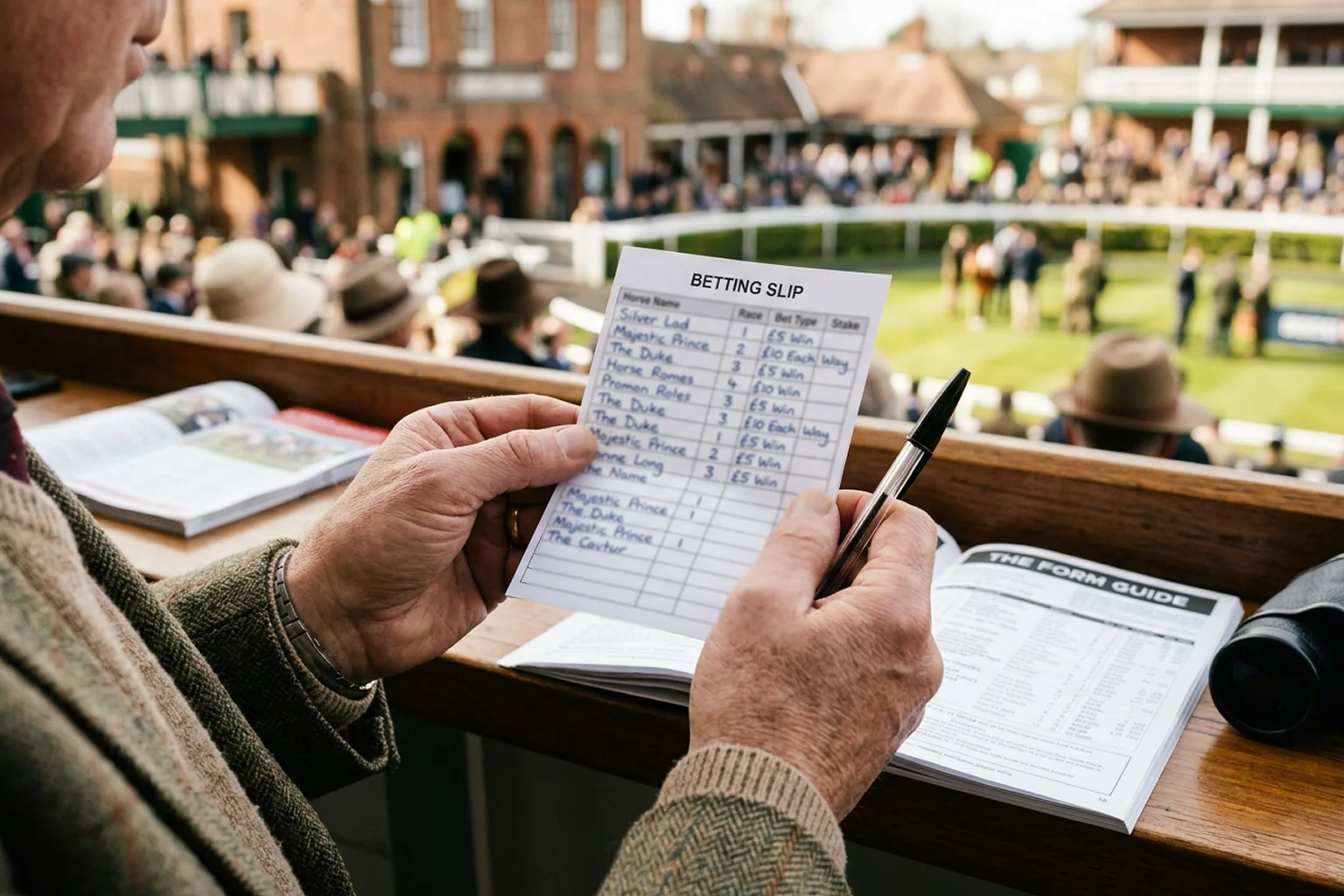
The bet exists because predicting exact finishing order is genuinely difficult. Horse racing outcomes depend on pace scenarios, going conditions, draw biases, jockey tactics, and the chaotic dynamics of large fields. Get the right horses, miss the order, and a straight tricast returns nothing. Boxing insulates you from sequencing errors at a mathematical cost. The question is not whether boxing works—it does—but whether the situations where you deploy it justify the premium you pay.
🏇 Tricast vs. Trifecta Vergleich
Payout Simulator & Wert-Check
Gleiches Rennen, gleiche drei Pferde in der gleichen Reihenfolge – aber unterschiedliche Auszahlungsmechanismen. Der Rechner zeigt, ob Tricast (Buchmacher, Fixed Odds) oder Trifecta (Tote, Pari-Mutuel) sich mehr lohnt.
Gib die festen Quoten für deinen Tricast ein – der Rechner zeigt die Auszahlung. Die Trifecta (Tote) wird aus dem Pool simuliert.
Simuliere die Trifecta-Auszahlung aus dem Pool – der Rechner zeigt, wie sich der Pari-Mutuel-Pool auf deine Auszahlung auswirkt.
How Trifecta Box Combinations Work
The formula for calculating trifecta box combinations is n × (n-1) × (n-2), where n represents the number of horses in your selection. This is not arbitrary—it reflects the mathematical reality of permutations without replacement. Your first horse can be any of your n selections. Your second horse can be any of the remaining (n-1). Your third horse comes from the (n-2) left. Multiply these together, and you have your total combinations.
Three horses yields 3 × 2 × 1 = 6 combinations. Four horses produces 4 × 3 × 2 = 24 combinations. Five horses generates 5 × 4 × 3 = 60 combinations. The escalation is steep—doubling your selections from three to six horses does not double your combinations; it multiplies them by twenty. Six horses means 6 × 5 × 4 = 120 combinations, and a £1 unit stake becomes a £120 outlay before the race even starts.
Combination Reference Table
| Horses Selected | Combinations | Cost at £1 | Cost at £0.50 | Cost at £0.10 |
|---|---|---|---|---|
| 3 | 6 | £6.00 | £3.00 | £0.60 |
| 4 | 24 | £24.00 | £12.00 | £2.40 |
| 5 | 60 | £60.00 | £30.00 | £6.00 |
| 6 | 120 | £120.00 | £60.00 | £12.00 |
| 7 | 210 | £210.00 | £105.00 | £21.00 |
| 8 | 336 | £336.00 | £168.00 | £33.60 |
The escalation becomes steep quickly. Moving from a four-horse box (24 combinations) to a five-horse box (60 combinations) multiplies your cost by 2.5 times. Adding a sixth horse takes you to 120 combinations—doubling the outlay again. Each additional horse does not add a fixed number of combinations; it multiplies them, because every new selection can occupy any of the three frame positions relative to all your other horses.
Calculating a Four-Horse Box
Horses selected: A, B, C, D
Formula: 4 × 3 × 2 = 24 combinations
These 24 combinations represent every possible way three of your four horses could finish 1-2-3:
A-B-C, A-B-D, A-C-B, A-C-D, A-D-B, A-D-C, B-A-C, B-A-D, B-C-A, B-C-D, B-D-A, B-D-C, C-A-B, C-A-D, C-B-A, C-B-D, C-D-A, C-D-B, D-A-B, D-A-C, D-B-A, D-B-C, D-C-A, D-C-B
At £1 per combination: £24 total stake
At £0.50 per combination: £12 total stake

Understanding Cost Escalation
The rapid cost increase is not a flaw in the system—it reflects genuine probability mathematics. With three horses boxed, you are covering 6 out of the possible permutations in the race. With eight horses boxed, you are covering 336 permutations. Your chance of holding the winning combination increases proportionally, but so does your financial exposure.
Practical application requires balancing coverage against stake size. A £60 five-horse box represents serious investment on a single race. For that stake to make mathematical sense, the expected return needs to justify not just the cost but the opportunity cost of those funds deployed elsewhere. Many punters find the four-horse box (£24 at £1 units) represents a workable middle ground—substantial coverage without requiring exceptional payouts to show profit.
Minimum stakes vary by bookmaker and bet type. Tote trifecta pools often accept 10p minimum units, allowing a six-horse box for £12. Fixed-odds tricasts with traditional bookmakers typically require higher minimums. Understanding your bookmaker's minimum stake requirements before calculating box costs prevents unpleasant surprises at bet placement.
Types of Trifecta Bets
Trifecta betting offers several structural variations, each with distinct cost implications and strategic applications. Understanding which structure suits different racing scenarios separates mechanical betting from thoughtful stake deployment.
Straight Trifecta
A straight trifecta—or straight tricast in UK bookmaker terminology—requires selecting three horses to finish first, second, and third in exact order. One unit stake covers one specific outcome. Get the horses right but the order wrong, and the bet loses.
The appeal is simplicity and maximum payout efficiency. If your analysis points to a clear winner with logical horses to fill the minor places, a straight bet captures the full dividend on minimal outlay. The risk is equally straightforward: you need to be right about everything, not just the principals involved.
Box Trifecta
Boxing removes the order requirement by covering all permutations of your selected horses. Three horses boxed means six combinations (3 × 2 × 1). Four horses means 24 combinations. The formula n × (n-1) × (n-2) scales your stake proportionally.
Boxing suits races where separating closely matched horses into exact finishing positions feels like guesswork. Competitive handicaps, large-field maidens with unexposed types, and conditions races with multiple genuine contenders all present scenarios where boxing makes analytical sense.
Key Box Trifecta
A key box—sometimes called a banker trifecta—anchors one horse in a specific position while boxing the remaining selections around it. The most common structure places your key horse to win, with other selections boxed for second and third.
| Structure | Selections | Combinations |
|---|---|---|
| Key to win, 3 others boxed for 2nd/3rd | 1 key + 3 | 6 |
| Key to win, 4 others boxed for 2nd/3rd | 1 key + 4 | 12 |
| Key to win, 5 others boxed for 2nd/3rd | 1 key + 5 | 20 |
Key box betting dramatically reduces cost compared to full boxing. Using one horse as a banker to win with four others boxed for second and third requires 12 combinations rather than the 60 combinations needed for a full five-horse box. The trade-off: your key must win. Any other finishing position voids the bet regardless of what happens in the places.
Wheel Trifecta
Wheel betting extends the key concept by covering a horse in one or more specific positions. A "wheel" traditionally means covering all possible horses in remaining positions, but partial wheels with selected horses are more common in practice.
A full wheel might place your banker to win with all other runners in the field covering second and third. Partial wheels work more like expanded key boxes—your banker in first, a subset of likely place horses in second, perhaps with a wider net for third where longshots occasionally creep into the frame.
Wheel structures get complicated quickly and require careful calculation before placement. Most betting platforms calculate costs automatically, but understanding the underlying logic prevents expensive mistakes when constructing multi-layered tickets.
Choosing the Right Structure
Race conditions dictate structure more than personal preference. Wide-open handicaps with eight or more runners of similar ability favour full boxing or generous key boxes. Races with a strong favourite suit key structures if you are confident the market leader delivers. Weaker fields with obvious principals might warrant straight bets.
Match your bet structure to your analytical confidence. Full boxes acknowledge uncertainty; key structures express conviction about specific horses; straight bets require certainty about both selection and order.
Trifecta vs Tricast Payouts
The question of whether Tote trifecta pools or bookmaker tricast dividends pay better has a definitive answer, backed by substantial data. Racing analyst David Renham's study of 1,011 UK and Irish handicap races provides the clearest picture available: trifecta pools outpay tricast dividends in approximately 80% of races.
The margin is not marginal. Across the full sample, trifecta payouts averaged 26% higher than their tricast equivalents. When trifectas did exceed tricasts—which happened four out of every five races—the advantage widened to 59% higher payouts on average. The reverse scenario, where tricasts beat trifectas, showed a 52% advantage, but occurred far less frequently.
The asymmetry matters for long-term betting strategy. Trifectas win more often and win bigger when they win. Tricasts occasionally outpay, but those occasions represent only 20% of the sample. Over a substantial number of bets, the expected value clearly favours pool betting for exotic wagers in UK racing.
Record Payouts in British Racing
The highest recorded trifecta payout in UK racing history came at the 2024 Coventry Stakes at Royal Ascot, when an 80/1, 40/1, and 50/1 combination produced a £122,667.10 dividend. The corresponding tricast paid £83,273.26—still exceptional, but 47% less than the pool equivalent.
| Race | Year | Tricast Dividend | Trifecta Dividend | Trifecta Advantage |
|---|---|---|---|---|
| Coventry Stakes, Royal Ascot | 2024 | £83,273.26 | £122,667.10 | +47% |
| Grand National, Aintree | 2016 | £23,181.70 | £57,778.10 | +149% |
| Grand National, Aintree | 2024 | £5,229.52 | £6,687.80 | +28% |
| Grand National, Aintree | 2025 | £7,665.04 | £6,850.50 | -11% |

The 2025 Grand National provides an instructive exception. For the first time in recent memory, the tricast paid more than the trifecta at Aintree. Such reversals do occur—approximately 20% of the time according to the broader data set—but they represent the minority outcome. When backing against statistical probability, you need compelling specific reasons.
Why Pool Payouts Typically Exceed Fixed Odds
Several factors explain the persistent trifecta advantage. Pool betting (the trifecta) distributes the entire pool minus takeout to winners, meaning the dividend reflects actual money wagered by other punters rather than a bookmaker's calculated liability. When longshots fill the frame, fewer punters hold winning tickets and individual payouts climb accordingly.
Computer Tricast dividends—the fixed-odds equivalent—use a formula based on starting prices. This calculation caps payouts at levels the system deems mathematically appropriate given the odds of the placed horses. The formula provides consistency but misses the occasional windfall that pool betting delivers when results genuinely surprise the market.
"The horse population continues to decline and the betting environment remains challenging, with obvious implications for racing's finances," noted Richard Wayman, Director of Racing at the British Horseracing Authority, in early 2026. That context matters: smaller fields and declining betting volumes affect pool sizes and dividend distribution across UK racing.
The Takeout Factor
UK Tote pools deduct 25% from trifecta pools before calculating dividends. Irish trifecta pools take 30%. Despite this apparently significant house edge, pool payouts still exceed fixed-odds tricasts in the majority of races. The explanation lies in market inefficiency—recreational punters betting pools often favour obvious selections, leaving larger shares of the pool for those backing less popular combinations.
Research confirmed this geographic disparity: UK trifecta payouts averaged £153 more than Irish equivalents across comparable races—a 24% premium attributable largely to the lower deduction rate. For punters with access to both markets, betting UK pools offers a structural advantage.
When Tricast Beats Trifecta
The 20% of races where tricasts outpay share common characteristics worth recognising. Results featuring short-priced favourites in multiple frame positions tend to favour bookmaker dividends. When a 2/1 favourite wins, a 4/1 second favourite finishes runner-up, and an 8/1 shot takes third, heavy Tote money concentrates on obvious combinations and dilutes individual payouts.
In 14.3% of races studied, the trifecta paid at least double the tricast. The reverse scenario—tricast paying double the trifecta—occurred in only 2% of races. That distribution reinforces the general recommendation: default to pool betting unless specific race conditions suggest otherwise.
Historical data strongly favours trifecta pools over tricast dividends. The 80% frequency advantage and 26% average payout edge make pool betting the default recommendation for exotic wagers on UK racing, with exceptions warranted only by specific circumstances such as chalk-heavy results.
Trifecta Box Strategy
Effective trifecta box betting requires more than identifying talented horses. The strategy encompasses race selection, field size assessment, and understanding when boxing represents genuine value versus mathematical futility.
Field Size Matters More Than You Think
The Geegeez analysis revealed a striking pattern: trifecta advantage over tricast correlates strongly with field size. Races featuring 12 to 14 runners showed trifecta payouts more than 25% higher than tricast equivalents on average. Fields of 10 to 11 runners demonstrated a more modest edge of around 14%.
The mechanism is straightforward. Larger fields create more possible permutations, making accurate tricast calculation harder for bookmakers and creating more opportunities for pool betting inefficiency. When 14 horses contest a competitive handicap, the number of possible 1-2-3 outcomes reaches 2,184. Market participants cannot efficiently price every combination, and gaps emerge.
Smaller fields concentrate betting into fewer possible outcomes. Six runners mean only 120 possible trifecta results. Both pools and fixed-odds markets price these scenarios more efficiently, compressing potential returns and making the inherent takeout more punitive relative to payouts.

The Favourite Question
Including short-priced favourites in trifecta boxes requires careful consideration. A 2/1 favourite finishing in the frame means thousands of other punters also hold winning tickets. Pool payouts shrink accordingly. Fixed-odds tricasts similarly compress when obvious horses fill positions, since the starting price calculation reflects lower uncertainty.
The counterargument: excluding likely horses to chase bigger payouts often means excluding likely winners. The skill lies in assessing whether a favourite's price reflects genuine superiority or merely reflects volume of support. A 2/1 favourite who should be 6/4 dilutes your trifecta returns. A 2/1 favourite who represents fair value or worse might belong in your selections.
Race Selection Criteria
Not every race suits trifecta box betting. The ideal scenario combines competitive fields with sufficient depth of quality that three horses from your selections can realistically fill the frame.
Handicaps with runners weighted closely together create volatility in finishing positions. A few pounds of weight advantage matters less over extended trips where stamina and tactics dominate. These races produce the unexpected results that generate significant exotic payouts. The BHA's 2025 Racing Report notes that core fixtures saw betting turnover decline 8.1% while premier fixtures remained stable—suggesting big-race handicaps still attract sufficient liquidity for meaningful trifecta pools.
Maiden races with unexposed horses offer another opportunity. Form lines require interpretation, and horses improving rapidly can outrun their apparent ability levels. The market struggles to accurately price animals with limited racing history, creating inefficiencies that trifecta bettors can exploit.
Avoid non-handicap races with small fields and obvious class differences. When one horse significantly outclasses opponents, the 1-2-3 becomes predictable enough that payouts will not compensate for the reduced uncertainty. Group races and listed events often fall into this category—the best horse usually wins, and the market knows who the best horse is.
Stake Management
Betting activity on British racing has become increasingly polarised, with the BHA's 2025 Racing Report noting that recreational punters now focus primarily on Premier fixtures while larger-staking customers have either stopped betting or moved to unlicensed operators. This concentration pattern affects trifecta pool liquidity—Premier meetings generate healthier pools while Core fixtures see compressed dividends. Understanding where you fit in this landscape matters for stake sizing.
Recreational punters treating trifectas as entertainment can afford fixed percentage bankroll approaches. Professional or semi-professional bettors need more sophisticated methods, weighing expected value against variance and sizing positions according to edge assessment. Either approach beats the alternative of staking randomly based on enthusiasm rather than analysis.
Target races with 12 or more runners for maximum trifecta edge. Scrutinise favourites rather than automatically including or excluding them. Apply stricter criteria to smaller fields where payouts compress and the house edge bites harder.
UK Tricast Rules and Regulations
British tricast betting operates under specific rules that differ from international equivalents. The global regulated sports betting market reached $94 billion in gross gaming revenue in 2024, with horse racing maintaining its position as a cornerstone of exotic wagering. Understanding UK regulations prevents confusion when results do not match expectations and ensures you know exactly what you are betting on.
The Computer Tricast System
When placing fixed-odds tricasts with UK bookmakers, payouts for most handicap races use the Computer Tricast dividend rather than negotiated odds. This system calculates returns based on a formula incorporating the starting prices of the first three finishers, their positions in the betting market, field size, and other factors.
The formula produces consistent results across bookmakers since everyone uses the same calculation. Whether you place your tricast with Bet365, William Hill, or Paddy Power, the Computer Tricast dividend pays identically. This differs from the American model where tracks calculate their own trifecta pools independently.
Alan Delmonte, Chief Executive of the Horserace Betting Levy Board, noted in the organisation's 2024-25 annual report: "Levy yield for the 12 months to 31 March 2025 reached almost £109m, the fourth successive year of increase and the highest since the Levy collection reforms of 2017." While levy income remains strong, betting turnover per race has declined 8% year-on-year, affecting pool sizes and dividend potential across British racing.
The Eight-Runner Requirement
Computer Tricast bets—and by extension most boxed tricasts with British bookmakers—require handicap races with eight or more declared runners. Additionally, at least six horses must actually start the race for tricast bets to stand.
This requirement reflects the practical reality that tricasts need sufficient field depth to generate meaningful payouts. A six-runner non-handicap produces only 120 possible permutations, concentrated among horses with clear form distinctions. The rule channels tricast betting toward races with genuine uncertainty.
Non-handicap races rarely offer Computer Tricast dividends regardless of field size. Some bookmakers offer fixed-price tricasts on major non-handicap events, but these are specifically quoted rather than calculated via the standard formula.
Non-Runner Procedures
Important: When a horse you have included in a tricast bet is withdrawn as a non-runner, your tricast stake is typically recalculated as a straight forecast on the remaining two horses. The odds and structure change completely from what you originally bet.
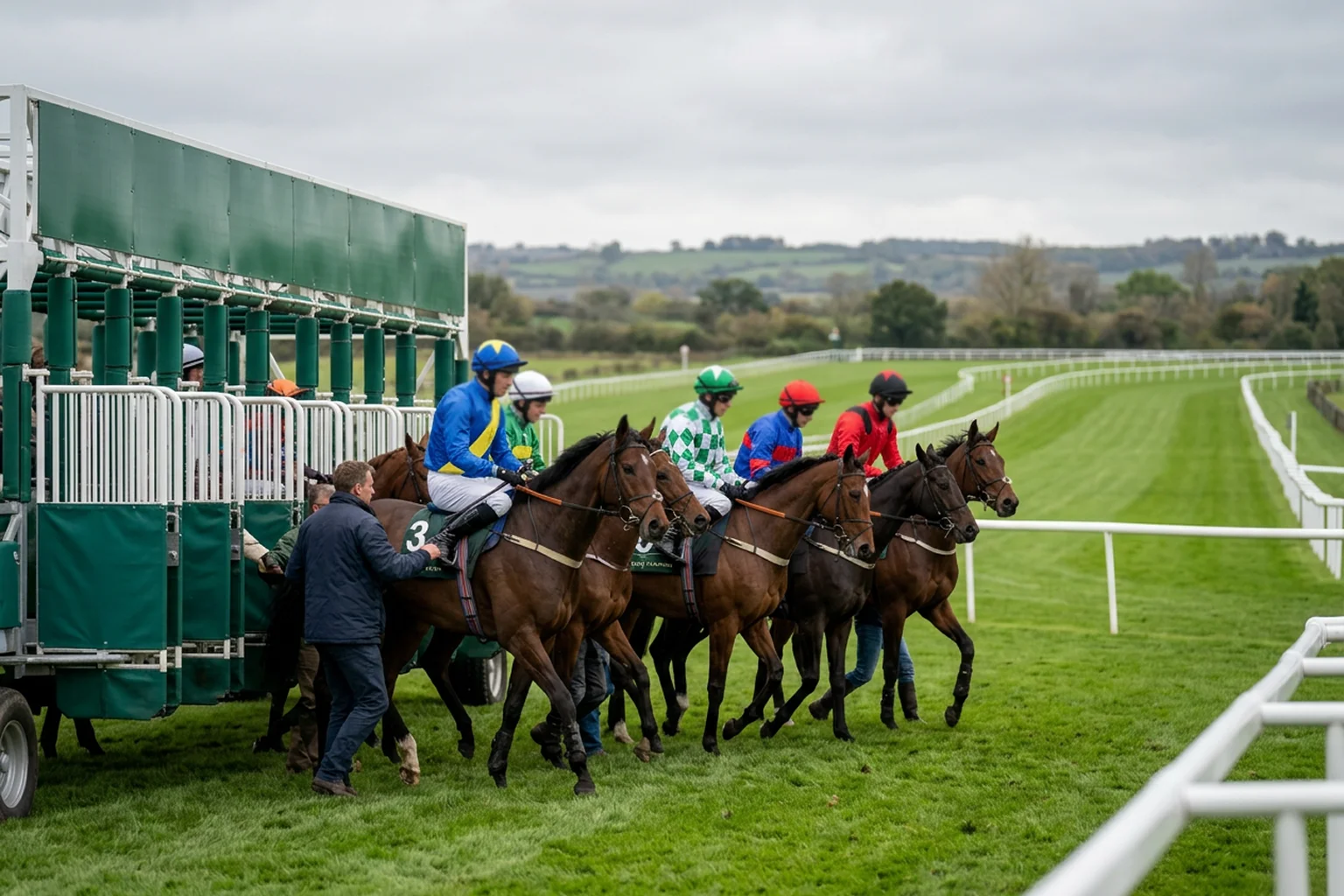
The downgrade to forecast affects both potential returns and the nature of your wager. Forecasts only cover first and second place, not the tricast's 1-2-3 requirement. If your remaining two horses finish first and second, you collect. If they finish first and third, or second and third, the bet loses despite your original intention to cover all frame positions.
Multiple non-runners can void tricast bets entirely. If withdrawals reduce your tricast to a single selection, stakes are returned. The specific procedures vary by bookmaker, making it essential to check terms before large stakes.
Dead Heat Rules
When horses dead-heat for any of the first three places, tricast dividends are divided accordingly. A dead-heat for first means your tricast payout is halved, reflecting that two horses share the winning position. Dead-heats for second or third similarly reduce returns proportionally.
For boxed tricasts, dead-heats create complexity. If you hold multiple winning combinations due to the dead-heat, you collect on each but at reduced dividend rates. The mathematics can become intricate, but bookmakers handle the calculation automatically.
Rule 4 Deductions
Rule 4 deductions apply when horses are withdrawn after early betting opens. These deductions reduce payouts to compensate for the shortened field. For fixed-price tricasts, when Rule 4 deductions reach 10p in the pound or higher, the bet reverts to Computer Tricast calculation rather than maintaining the fixed price.
The practical impact: significant withdrawals can transform your bet from fixed odds to formula-based calculation. If you have locked in what you believe are favourable fixed tricast prices, late withdrawals might override those prices entirely.
Tricast Calculators and Tools
Effective trifecta box betting requires accurate cost calculation before stake commitment. Several tools help punters assess combinations, costs, and potential returns.
Combination Calculators
Basic combination calculators apply the permutation formula automatically. Enter your number of selections and unit stake, and the calculator returns total combinations and total cost. Most bookmaker platforms include these tools within their bet slip interfaces, calculating costs in real time as you add selections.
Standalone calculators offer additional flexibility for planning bets before approaching the betting interface. These tools let you model different scenarios—comparing a five-horse box at 50p units against a four-horse box at £1 units, for example—without commitment.
Cost Tables
Reference tables provide quick lookups for standard box configurations. Knowing that a five-horse box requires 60 combinations saves calculation time when analysing races. Print or save a reference table for common configurations between three and eight selections to speed pre-race assessment.
The formula remains constant: n × (n-1) × (n-2) where n equals your number of selections. Mental calculation becomes practical with repetition. Four horses: 4 × 3 × 2 = 24. Five horses: 5 × 4 × 3 = 60. Six horses: 6 × 5 × 4 = 120.
Payout Estimators
Estimating likely trifecta payouts before results proves more challenging than cost calculation. Pool payouts depend on total pool size and distribution of bets across combinations—neither knowable in advance. Fixed-odds tricast dividends depend on starting prices, which fluctuate until the off.
Historical data provides rough guidance. Average trifecta returns on competitive handicaps typically fall within predictable ranges based on field size and favourite starting prices. Races producing results including longshots at 25/1 or higher regularly generate dividends exceeding £1,000 per unit. Results featuring shorter-priced placed horses compress returns accordingly.
Bookmaker Bet Builders
Modern betting platforms offer integrated trifecta building tools that streamline the selection and staking process. These interfaces display selected horses, calculate combinations automatically, show total stake required, and allow adjustment of unit sizes before confirmation.
Using bookmaker tools rather than placing selections manually reduces error risk. Manual tricast placement requires correct specification of bet type, selections, and stake—multiple opportunities for mistake. Integrated builders handle these details automatically.
Form and Analysis Resources
Successful trifecta betting begins with quality form analysis. Racing Post, Timeform, and similar services provide the detailed information needed to identify realistic contenders. Speed figures, sectional times, pace analysis, and trainer form statistics all contribute to informed selection.
The analytical challenge for trifecta betting differs from win betting. You need multiple horses good enough to fill the frame, not just one winner. This broadens research requirements but also creates opportunities to find value in horses overlooked by punters focused solely on identifying the winner.
Frequently Asked Questions
How do I calculate the cost of a trifecta box bet?
The cost of a trifecta box equals the number of combinations multiplied by your unit stake. Calculate combinations using the formula n × (n-1) × (n-2), where n is your number of selections. A four-horse box produces 24 combinations (4 × 3 × 2 = 24), so at £1 per unit, your total stake is £24. A five-horse box creates 60 combinations (5 × 4 × 3 = 60), costing £60 at £1 units or £30 at 50p units. Minimum unit stakes vary by bookmaker—Tote pools often accept 10p units while fixed-odds tricasts with traditional bookmakers may require higher minimums.
What is the difference between tricast and trifecta in the UK?
Tricast is the traditional British bookmaker term for betting on the first three finishers in exact order. Trifecta refers to the same bet type when placed in pool betting via the Tote. The practical difference lies in how payouts are calculated. Tricasts with bookmakers typically pay a Computer Tricast dividend calculated from starting prices. Trifectas pay pool dividends based on actual money wagered, minus the Tote's 25% takeout. Research across 1,011 UK races shows pool trifectas outpay fixed-odds tricasts in approximately 80% of races, with average payouts 26% higher. The terms are often used interchangeably in casual conversation, but understanding which system your bet enters matters for expected returns.
Is a boxed trifecta better value than a straight trifecta?
Neither structure is inherently better—value depends on race conditions and your analytical confidence. Straight trifectas require predicting exact finishing order but pay full dividend on a single unit stake. Boxed trifectas cover all permutations of your selections, dramatically improving strike rate but multiplying your total stake. A straight bet makes sense when you have strong conviction about both selection and order—perhaps a standout favourite with logical place horses. Boxing suits competitive handicaps where multiple horses could reasonably fill any frame position. The key question: does paying six times more for a three-horse box (six combinations versus one) improve your chances by more than six times? In uncertain races with closely matched runners, often yes. In races with clear hierarchies, often no.
UK Bookmakers for Tricast Betting
Major British bookmakers all offer tricast betting, but differences in platform features, minimum stakes, and bet building tools make some more suited to exotic betting than others.
Bet365 provides a comprehensive tricast interface with clear combination calculations and relatively low minimum stakes. Their rules documentation is thorough, making it straightforward to understand exactly how your tricast will be settled. The mobile platform handles complex bets smoothly, which matters when building multi-selection boxes quickly before post time.
William Hill offers established tricast betting with straightforward bet slip functionality. Their racing coverage is extensive, and the platform handles both Tote pools and fixed-odds tricasts. Minimum stakes are competitive, and the interface presents combination costs clearly before confirmation.
Paddy Power's platform includes integrated calculators that show costs as you build trifecta boxes. Their Irish racing coverage is particularly strong, useful for punters interested in cross-border comparison between UK and Irish trifecta returns.
The Tote itself remains the primary option for pool trifecta betting. Access through the Tote website or app provides direct pool entry without bookmaker intermediation. Given the documented payout advantage of pool trifectas, direct Tote betting deserves consideration despite the less sophisticated interface compared to mainstream bookmaker platforms.
"Whilst our sport, and indeed most others, face challenges, it is important that we don't lose sight of how much pleasure racing continues to provide at all levels," noted Richard Wayman, Director of Racing at the British Horseracing Authority, in the BHA's 2025 Racing Report. The industry context matters: betting turnover faces pressure, but the fundamentals of tricast betting remain sound for punters who approach the markets thoughtfully.
When selecting a bookmaker for tricast betting, prioritise platforms where you can quickly build complex bets, understand the calculation methodology, and verify settlement procedures. The best interface is one you can operate confidently under time pressure when constructing bets close to race start. Mobile functionality matters particularly for on-course betting, where you may need to construct a five-horse box in the minutes before a race while assessing the paddock or watching the market move.
