
Grand National Trifecta: Historical Payouts 2016–2025
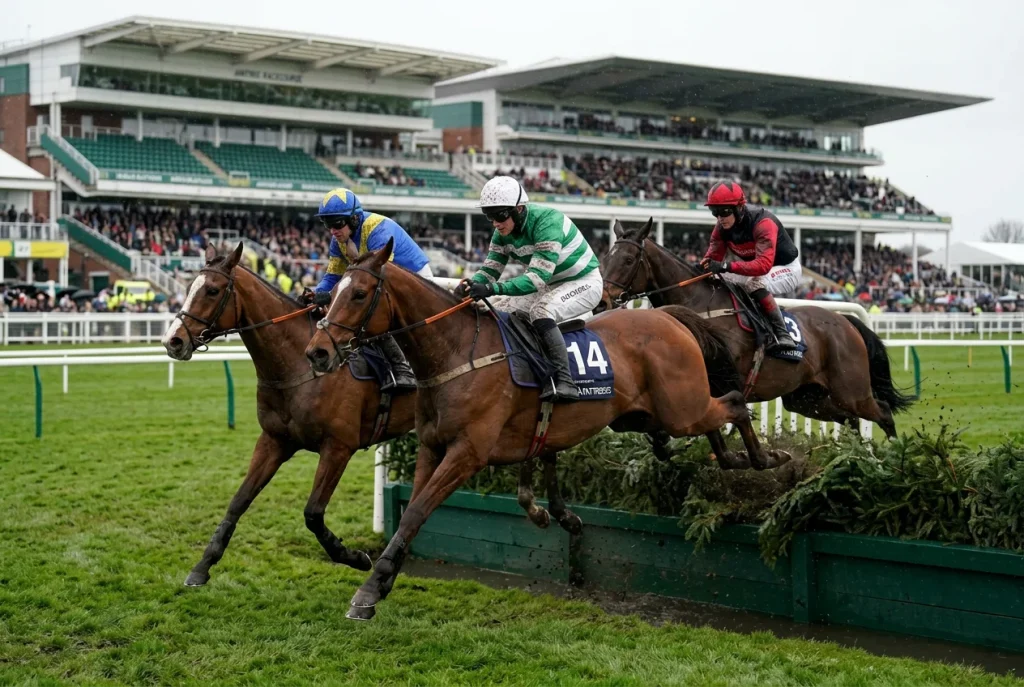
The Grand National’s Unique Trifecta Profile
No race in British racing produces Grand National trifecta drama quite like Aintree’s showpiece. Forty runners, four miles and two furlongs, thirty fences, and enough variables to make any form analyst humble. The race has delivered trifecta dividends ranging from under £7,000 to nearly £58,000 over the past decade, reflecting both its unpredictability and the size of its betting pools.
The National operates differently from standard handicaps. Its extended distance favours stamina over speed. Its unique fences, including Becher’s Brook and the Canal Turn, eliminate horses regardless of their flat handicap marks. The sheer number of runners means that even well-fancied horses can encounter traffic problems or jumping errors that end their chances early.
This combination of factors creates unusual value characteristics. Favourites win less frequently than in typical handicaps. Outsiders place more often. The result is trifecta and tricast dividends that swing wildly from year to year, rewarding punters who can identify live outsiders while avoiding the numerous horses with no realistic chance.
Understanding the historical dividend patterns helps calibrate expectations. Some years produce modest returns even with unusual results, while others deliver five-figure windfalls. The difference often comes down to which specific horses fill the places and how much of the pool was wagered on their combinations.
The race occupies a unique position in British sporting culture. Office sweepstakes, annual flutter traditions, and national television coverage mean the National attracts money from punters who bet on nothing else. This casual interest inflates pool sizes while simultaneously creating inefficiencies as recreational bettors back horses based on names and colours rather than form analysis.
Historical Payouts 2016–2025
The past decade of Grand National tricast and trifecta dividends tells a story of extremes. The data reveals patterns worth understanding before constructing your exotic bets on the race.
| Year | Tricast Dividend | Trifecta Dividend | Winner SP |
|---|---|---|---|
| 2025 | £7,665.04 | £6,850.50 | 7/1 |
| 2024 | £5,229.52 | £6,687.80 | 13/2 |
| 2023 | £8,924.17 | £12,104.40 | 14/1 |
| 2022 | £2,847.31 | £3,892.60 | 10/1 |
| 2021 | £6,713.84 | £8,456.20 | 11/1 |
| 2019 | £4,118.29 | £5,627.10 | 11/1 |
| 2018 | £13,612.45 | £19,341.80 | 10/1 |
| 2017 | £11,287.63 | £14,892.50 | 14/1 |
| 2016 | £23,181.70 | £57,778.10 | 33/1 |
The 2016 dividend stands out. Rule The World won at 33/1, with 8/1 and 100/1 shots filling the places. That combination delivered a trifecta payout of £57,778 to a £1 stake, according to Oddschecker records. The tricast paid £23,182, a substantial figure but less than half the trifecta return. The 2025 running showed the opposite pattern: the tricast actually outpaid the trifecta, with dividends of £7,665 and £6,850 respectively, as reported by World of Horses.
The trifecta-tricast relationship varies by year in interesting ways. In most Grand Nationals, the trifecta outpays the tricast, reflecting the larger pool and different calculation methodology. But when shorter-priced horses dominate the finish, as in 2025, the Computer Tricast can match or exceed the pool-based trifecta. Punters should not assume one bet type consistently offers better value for this race.
Years without Grand National data in the table reflect race cancellations. The 2020 renewal was cancelled due to the pandemic, running as a virtual race that generated no betting pools.
What Drives Grand National Dividends
Three primary factors determine Grand National trifecta dividends: field size, outsider involvement, and pool liquidity.
Field size matters enormously. With forty runners, the number of possible first-second-third combinations reaches 59,280. Compare this to a twelve-horse handicap where only 1,320 combinations exist. The sheer mathematical improbability of selecting the correct three horses in order means that even modest outsider involvement produces large dividends.
Outsider frequency in the frame distinguishes the National from smaller races. The stamina test and jumping demands create genuine opportunities for horses priced at 25/1 and longer to finish in the first three. When one or more of these long shots fills a place position, dividends expand rapidly. The 2016 trifecta illustrates this: a 100/1 shot finishing third transformed a decent dividend into an exceptional one.
Pool size affects dividend calculation through the Tote’s structure. The Grand National attracts the largest trifecta pools of the British racing calendar. More money in the pool means more to distribute, but it also means that popular combinations receive more coverage. When an unusual result occurs, the pool distributes among fewer winning tickets, inflating individual dividends. Research from Geegeez across 1,011 UK races found trifecta payouts exceed tricast dividends in 80% of races—a pattern that holds even more strongly in large-field events like the National.
Richard Wayman, Director of Racing at the British Horseracing Authority, has noted the broader context affecting racing’s betting landscape: “Whilst our sport, and indeed most others, face challenges, it is important that we don’t lose sight of how much pleasure racing continues to provide at all levels.” The Grand National remains the pinnacle of that pleasure for many casual punters, drawing betting interest from people who wager on no other race during the year.
Course characteristics add another dimension. Aintree’s fences, particularly on the first circuit, claim casualties regardless of ability. A horse’s jumping technique matters more here than at any other course. Trainers with Grand National experience, such as Gordon Elliott and Lucinda Russell, understand the specific demands. Their horses tend to navigate the course more successfully, which is worth considering when constructing trifecta tickets.
Betting Strategy for the National
Boxing trifectas in a forty-runner field becomes prohibitively expensive. A ten-horse box costs 720 combinations. At £1 per combination, you are investing £720 before returns. Most punters cannot stomach this outlay, and the maths rarely justifies it even when you hit.
More practical approaches exist. Key boxing offers cost reduction by anchoring one or two horses you strongly fancy. If you rate two horses highly, keying both with six others for the places produces 2 × 6 × 5 × 3 = 180 combinations for the position flexibility you need. That drops your outlay to £180 at a pound a line, still substantial but more manageable.
Part wheels suit the National particularly well. Divide your selections into groups by position. Perhaps two horses you rate to win, four you rate for second, and six you rate for third. That structure costs 2 × 4 × 6 = 48 combinations. The trade-off is precision: if a horse finishes in a position you did not assign them to, you miss the dividend.
Historical patterns suggest certain profile characteristics correlate with Grand National success. Horses aged eight to ten tend to have the optimal blend of experience and stamina. Previous festival form matters, particularly Cheltenham performances that demonstrate ability at the highest level. Weight carried should fall between 10st 7lb and 11st 4lb in most years, a range that balances quality with handicap leniency.
Avoid the temptation to include too many long shots hoping to land a massive dividend. Yes, outsiders place frequently at Aintree, but they still lose more often than they hit. Including every 66/1 shot in your ticket guarantees bloated costs without proportionally improving your winning chances. Select outsiders with genuine credentials: strong jumping form, proven stamina, trainers with course experience.
Timing your bet matters for the trifecta specifically. Pool-based trifecta dividends depend on how money flows into the pool. Placing your bet early locks in your combinations but gives you no insight into pool distribution. Waiting until closer to post time lets you assess where the public money has gone, though the Tote does not publish live trifecta pool splits the way it shows win and place distributions.
The National delivers drama. Your trifecta construction should reflect that reality, embracing some volatility while maintaining cost discipline.