
Handicap Race Trifecta Strategy: Finding Value in Weighted Fields
Why Handicaps Suit Trifecta Betting
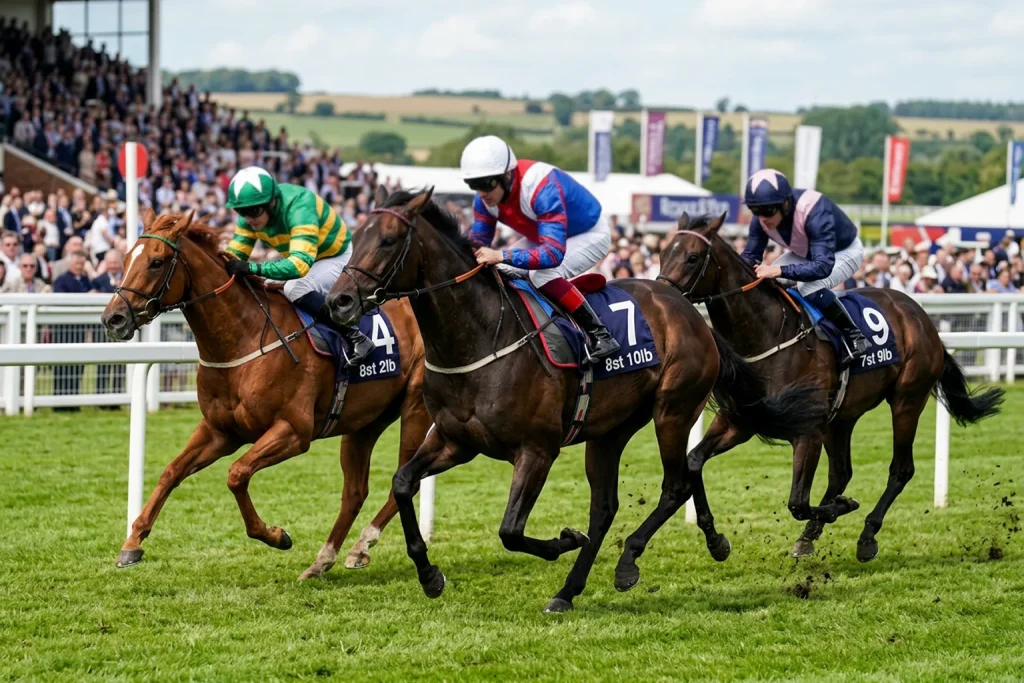
Handicap race trifecta betting offers the clearest path to exotic bet value in UK racing. The handicap system deliberately creates competitive uncertainty by assigning different weights to runners based on their official ratings. This manufactured unpredictability generates larger dividends when unusual results occur, making handicaps the optimal hunting ground for trifecta punters.
Computer Tricast bets require eight or more runners, according to Bet365 rules. Handicaps routinely meet this threshold where conditions races often do not. The structural alignment between handicap race sizes and tricast requirements means most viable trifecta opportunities occur in handicap company.
The UK racing calendar features handicaps across all major meetings, from prestigious events like the Cambridgeshire and Cesarewitch to everyday afternoon cards. This abundance provides consistent opportunities for trifecta betting throughout the flat and jump seasons.
Level the field, find the value. The handicap system’s purpose aligns perfectly with what trifecta bettors seek: races where finishing order is genuinely difficult to predict, creating dividend potential that rewards successful analysis.
Understanding Handicap Mechanics
The British Horseracing Authority’s handicapper assigns every horse an official rating based on demonstrated ability. Higher ratings indicate more talented horses. In handicap races, these ratings convert directly to weight assignments, with better horses carrying more weight to theoretically equalise chances across the field.
The weight range typically spans around 30 pounds from top weight to bottom weight. Each pound of weight is estimated to affect performance by approximately one length over a mile, though this conversion varies with distance and conditions. The handicapper aims to create a scenario where all horses, if running to their ratings, would finish together.
Research from Geegeez covering 1,011 UK handicap races found that trifecta dividends exceeded tricast equivalents in 80% of races. This statistic specifically measured handicap performance, confirming that the competitive nature of these races creates systematic value for pool-based exotic bets.
Ratings change based on recent performances. A horse that wins convincingly will see its rating rise, potentially making future handicap success harder. A horse that runs below expectations may see its rating drop, improving future prospects. This dynamic system means handicap form requires careful interpretation.
The bottom weight often attracts attention as the most lightly burdened runner, but low ratings reflect limited ability. The top weight must overcome its burden but possesses the highest raw talent. Neither extreme automatically offers value; assessment requires weighing ability against task.
Class of race affects handicap dynamics. Higher-class handicaps feature smaller rating bands with less weight differential, making ability differences smaller and outcomes harder to predict. Lower-class handicaps may feature wider rating spreads where top weights face more substantial burdens.
Why Handicaps Create Trifecta Value
The unpredictability engineered by the handicap system directly enhances trifecta dividends. When any runner has a realistic chance of finishing in the first three, unusual combinations occur regularly. Unusual combinations mean fewer winning tickets, which means larger payouts to those who hold them.
Handicaps routinely produce trifectas involving horses at double-figure prices. Unlike conditions races where class advantage often determines placings, handicaps see 14/1, 20/1, and longer-priced horses finish in frame positions regularly. Each outsider involvement multiplies the dividend potential.
The Geegeez data showed that in fields of twelve to fourteen runners, trifecta dividends exceeded tricast dividends by 25% or more on average. Handicaps at major meetings frequently fall within this optimal field size range, creating systematically favourable conditions for trifecta betting.
Weight trends offer analytical opportunities unavailable in non-handicap races. A horse that has been raised sharply after a recent win may struggle to repeat. A horse dropping in the weights after disappointing runs may be approaching a winning mark. These patterns help identify value selections beyond simple form reading.
Breeding matters in handicaps differently than in other races. Certain sires produce progeny that handle weight better than others. Some bloodlines improve as horses mature and strengthen. Incorporating these factors into handicap analysis adds dimensions that most punters ignore.
Ground conditions affect handicap outcomes disproportionately. A horse assigned a rating based on performances on good ground may struggle or excel on heavy going. The weight remains constant, but effective ability changes with conditions. Monitoring ground preferences identifies runners whose chances differ from their raw ratings suggest.
Draw advantages compound handicap uncertainty at certain courses. Flat handicaps at Chester, Beverley, and other turning tracks see low draws dominate. Jump racing at Cheltenham favours certain positions through different fences. Incorporating track biases alongside handicap analysis captures additional edge.
Handicap Selection Strategy
Effective handicap trifecta strategy combines traditional form analysis with handicap-specific factors. Start with recent form, then overlay weight analysis, then consider conditions and draw.
Look for horses running from a mark lower than their peak rating. A horse rated 95 that ran from 102 earlier in its career has demonstrated higher ability than its current assignment reflects. If connections have freshened the horse or addressed previous issues, it may outperform its rating.
Trainer patterns reveal handicap intentions. Some trainers consistently target specific races with well-handicapped runners. Others place horses in handicaps as preparation for different targets. Recognising which trainers treat handicaps seriously improves selection accuracy.
Richard Wayman, Director of Racing at the British Horseracing Authority, has observed that whilst the sport faces challenges, it is important not to lose sight of how much pleasure racing continues to provide to millions of participants. Handicap racing embodies this entertainment value, creating close finishes and unpredictable outcomes that engage audiences and bettors alike.
Box construction in handicaps should reflect the competitive nature of the race type. Consider wider coverage than you might use in conditions races, acknowledging that genuine upsets occur regularly. A five-horse box in a competitive handicap provides realistic coverage; the same box in a conditions race might be excessive.
Avoid horses at the very bottom of the weights unless specific analysis supports their inclusion. Low ratings usually reflect limited ability, and the slight weight advantage rarely compensates for talent deficits. The value tends to sit in the middle of the handicap where competent horses carry manageable burdens.
Track previous handicap results for your selections. Horses that consistently finish in frame positions in handicaps demonstrate the tactical ability to deliver in competitive company. Those with a single recent win but no handicap place record may find the cut and thrust of trifecta-viable fields challenging.
Seasonal timing affects handicap value. Early-season handicaps feature horses on potentially outdated marks from the previous campaign. Late-season handicaps see horses on current marks that accurately reflect recent form. Adjust your approach based on where you are in the racing calendar.
Level the field, find the value. Handicap racing creates the competitive uncertainty that makes trifecta betting worthwhile. Master the specific dynamics of weighted racing, and you master the most productive territory for exotic bet success.